






Teaching & Learning in Community Schools
Meaningful Teaching & Learning Initiative
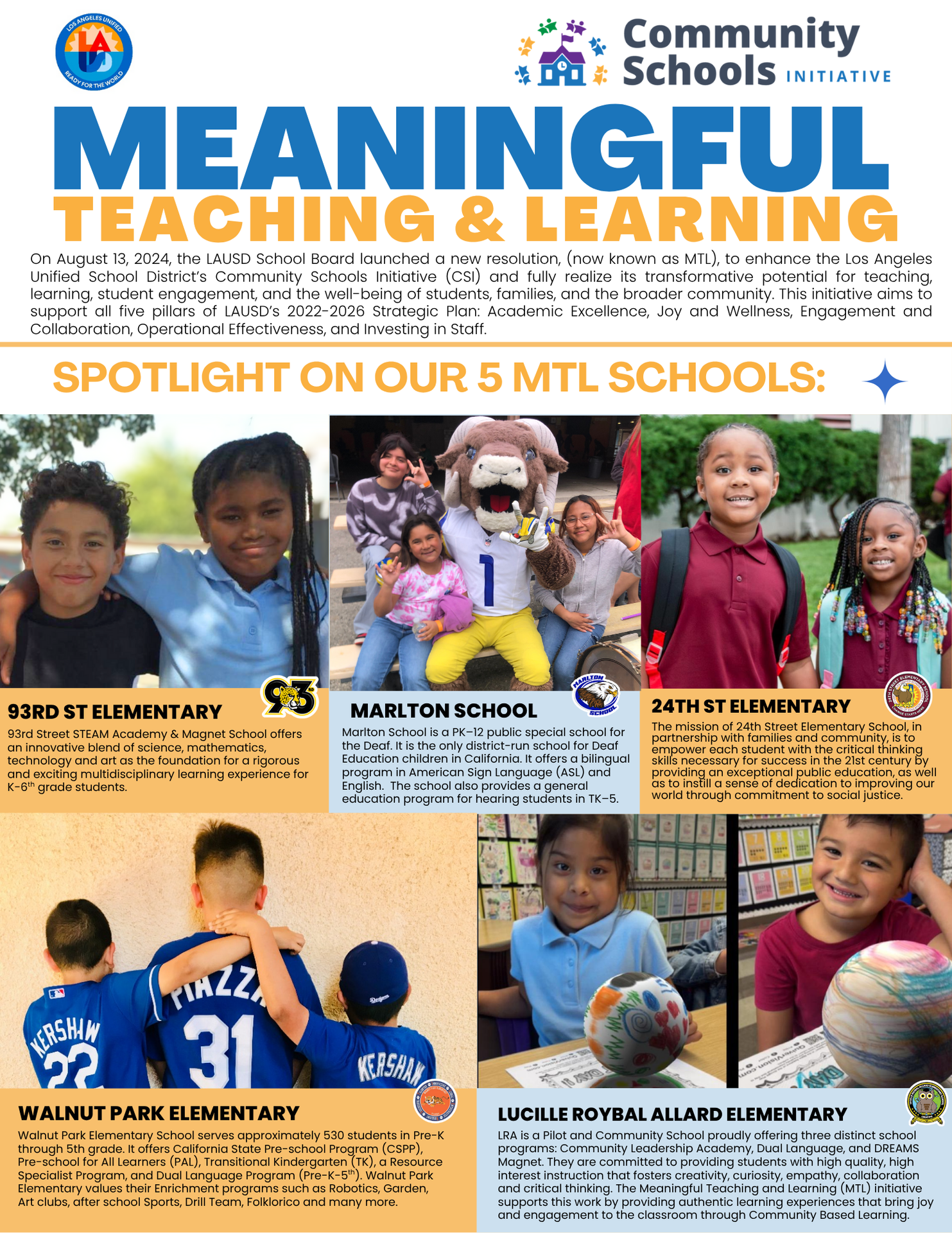
Our 5 MTL Schools are: Marlton School, 93rd St Elementary, 24th St Elementary, Lucille Roybal Allard Elementary, and Walnut Park Elementary. These schools are leading the way in community-based learning that is both rigorous and relevant!
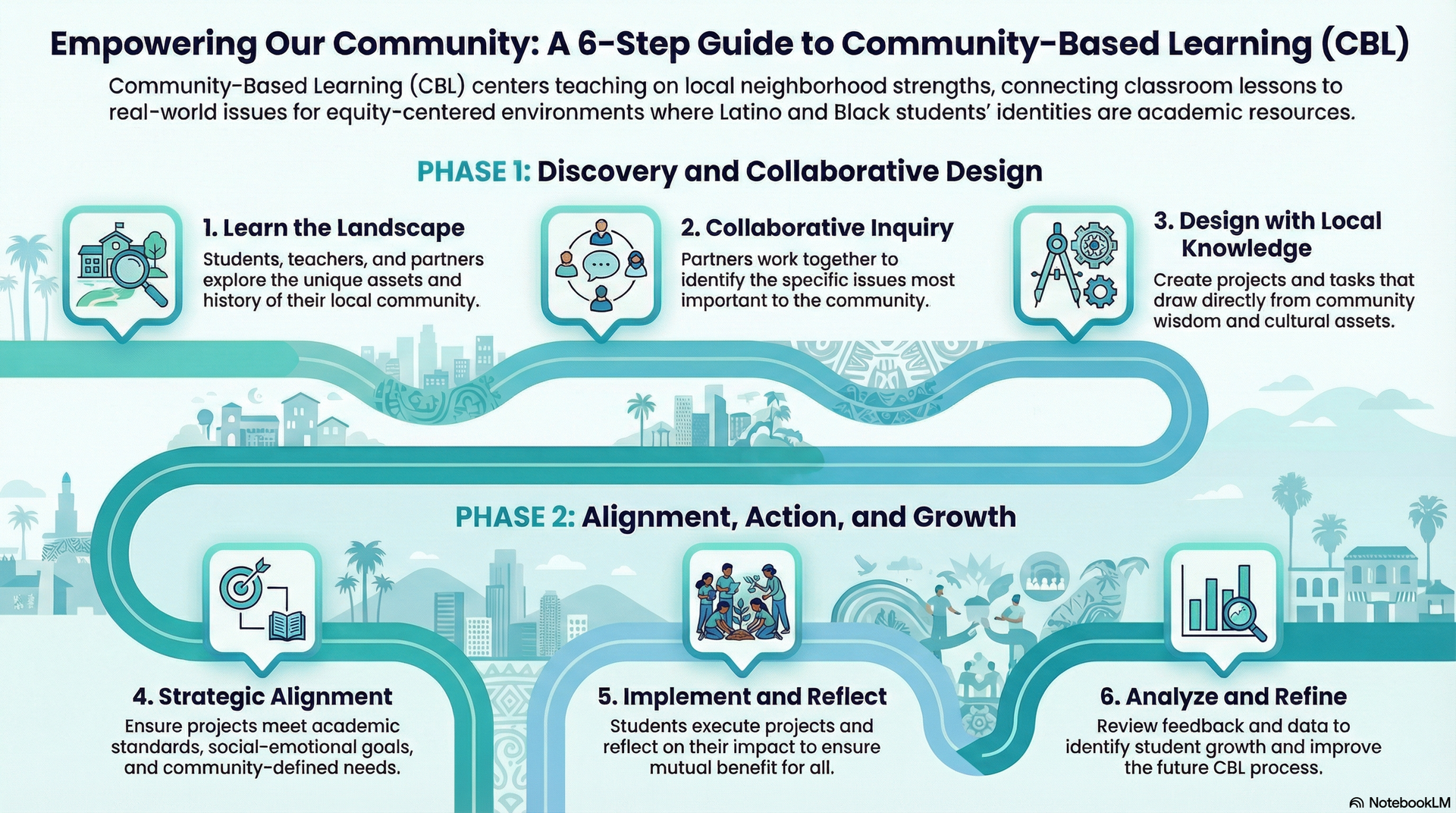
WHAT is Community-Based Learning?
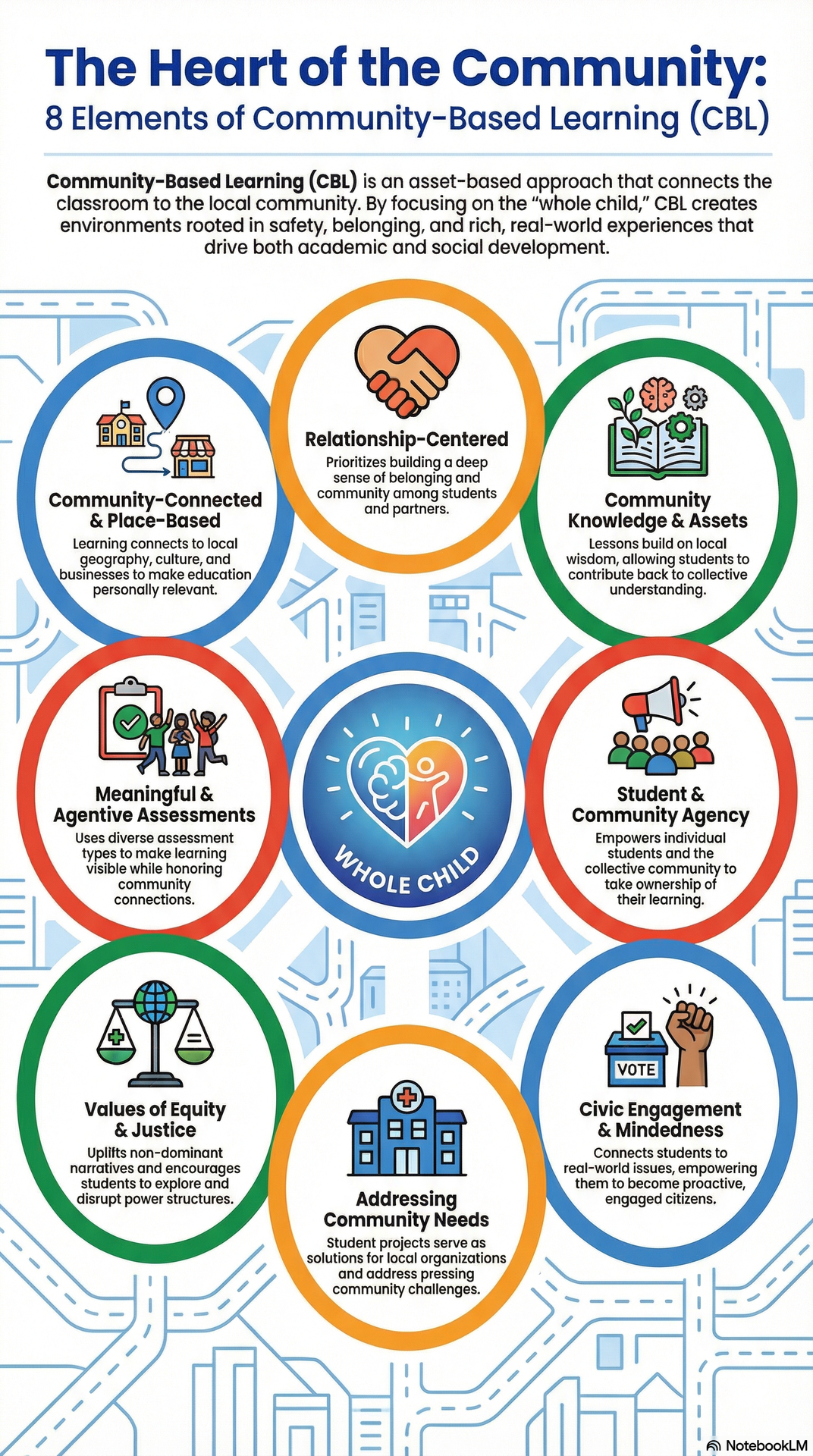 Community-Based Learning is a Framework that guides decisions about curriculum, instruction, and assessment. Community schools integrate community knowledge and assets into the curriculum, creating units of study that allow students to develop agency, civic engagement, while addressing community needs in an authentic and meaningful way.
 The Eight Elements of Community-Based Learning are:
- Relationship Centered
- Community Knowledge & Assets
- Student & Community Agency
- Civic Engagement & Mindedness
- Addressing Community Needs
- Values of Equity & Justice
- Community Connected & Place-Based
- Meaningful & Agentive Assessments
Teachers are encouraged to use S-TAC's CBL Reflecting Tool to identify and develop elements of community-based learning within their teaching.
HOW do I implement Community-Based Learning?